8 Days
Specific Tour
Unlimited
___
Gaumukh Tapovan Trek – Overview
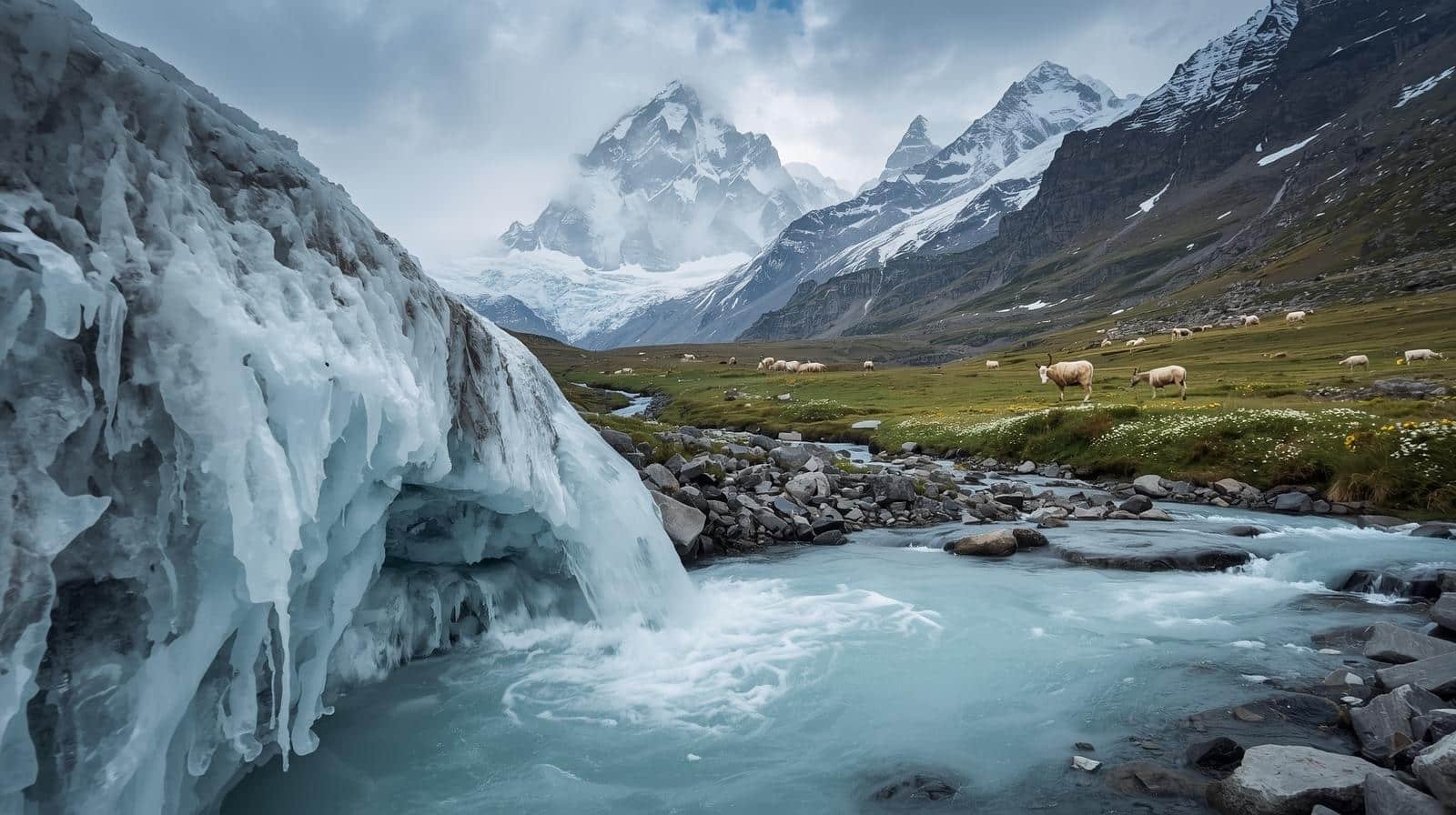
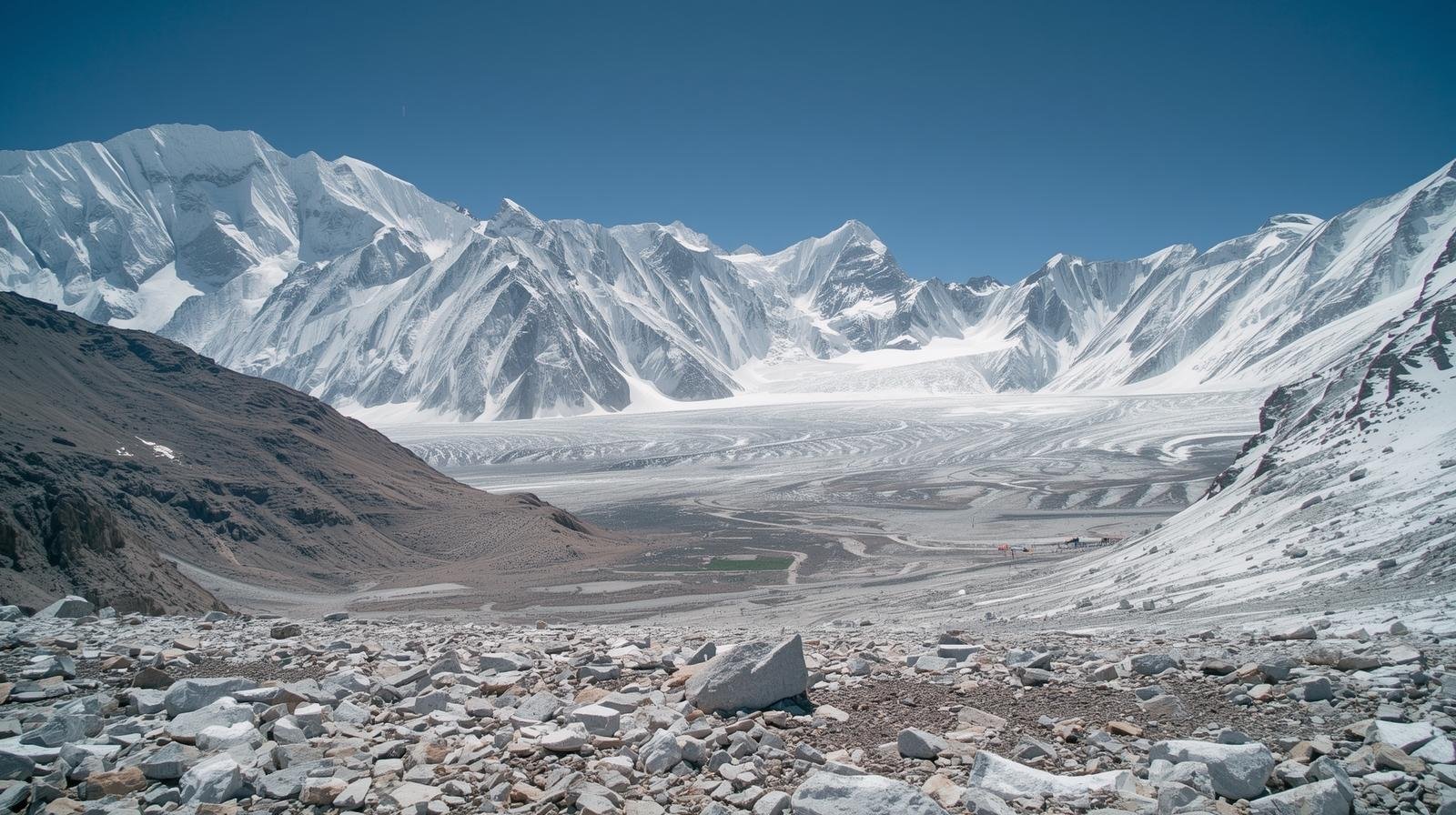
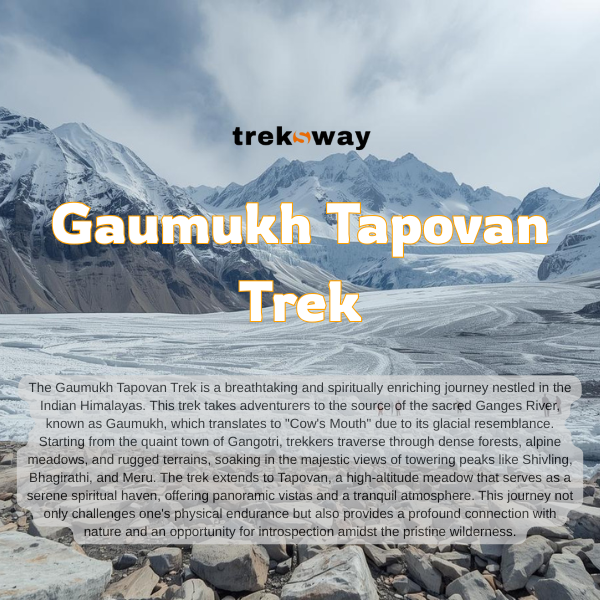
The Gaumukh Tapovan Trek is one of the most spectacular high-altitude treks in Uttarakhand, offering trekkers a combination of adventure, spirituality, and mesmerizing Himalayan scenery. Starting from Gangotri, this trek leads you to the sacred Gaumukh Glacier, the source of the Bhagirathi River, and continues to the serene alpine meadows of Tapovan, set at the base of majestic peaks like Thalay Sagar, Shivling, and Bhagirathi Parvat.
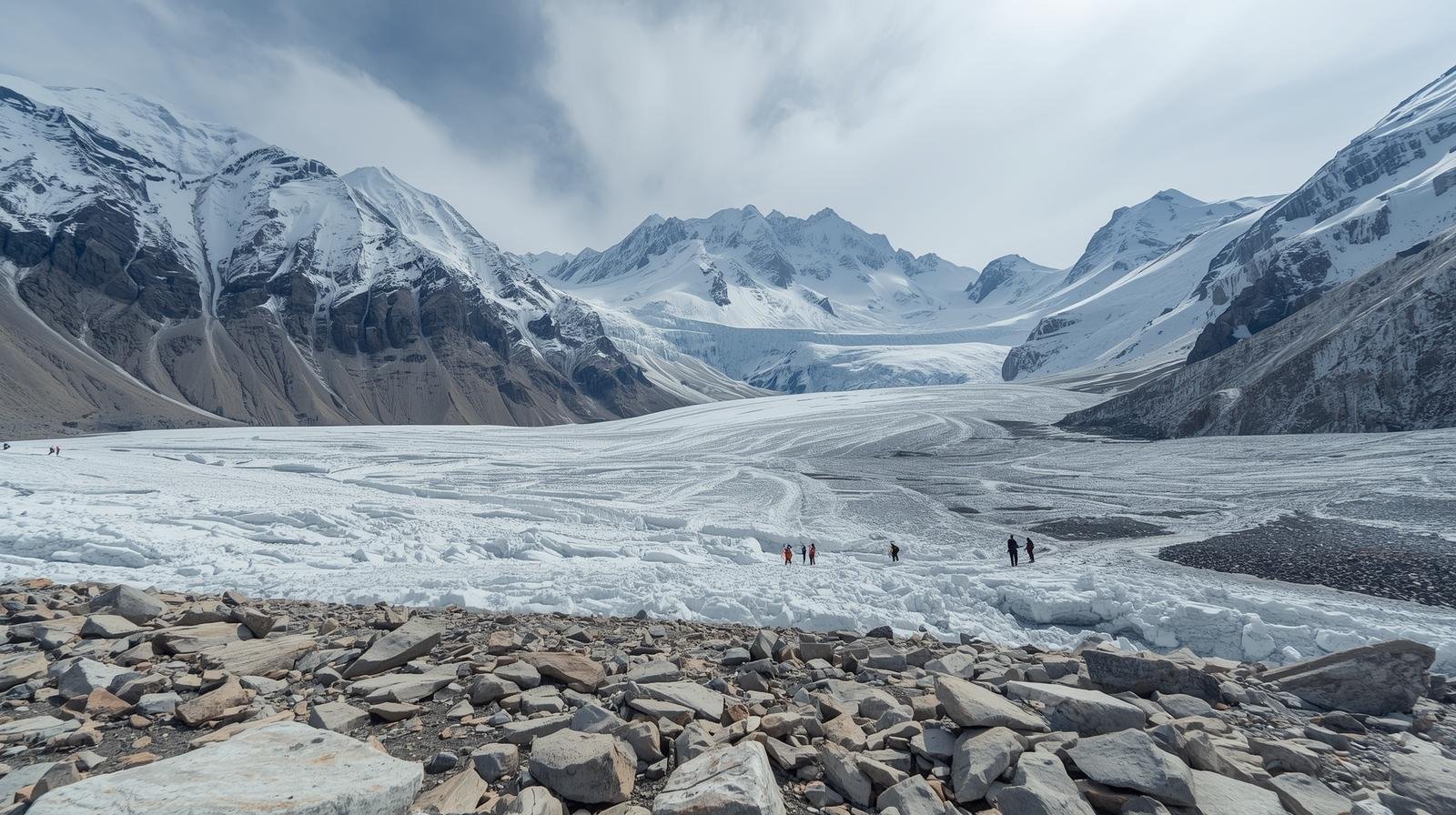
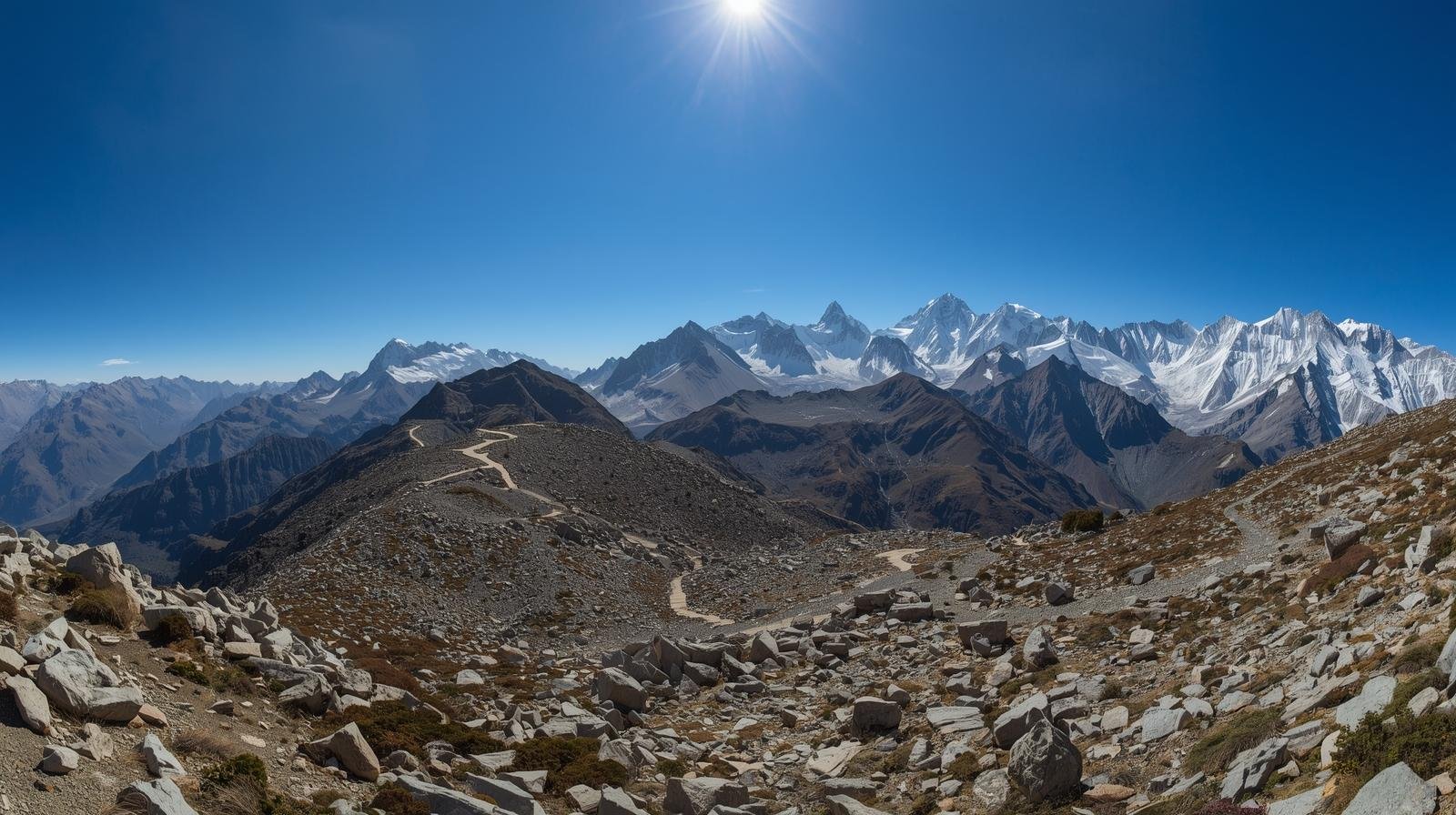
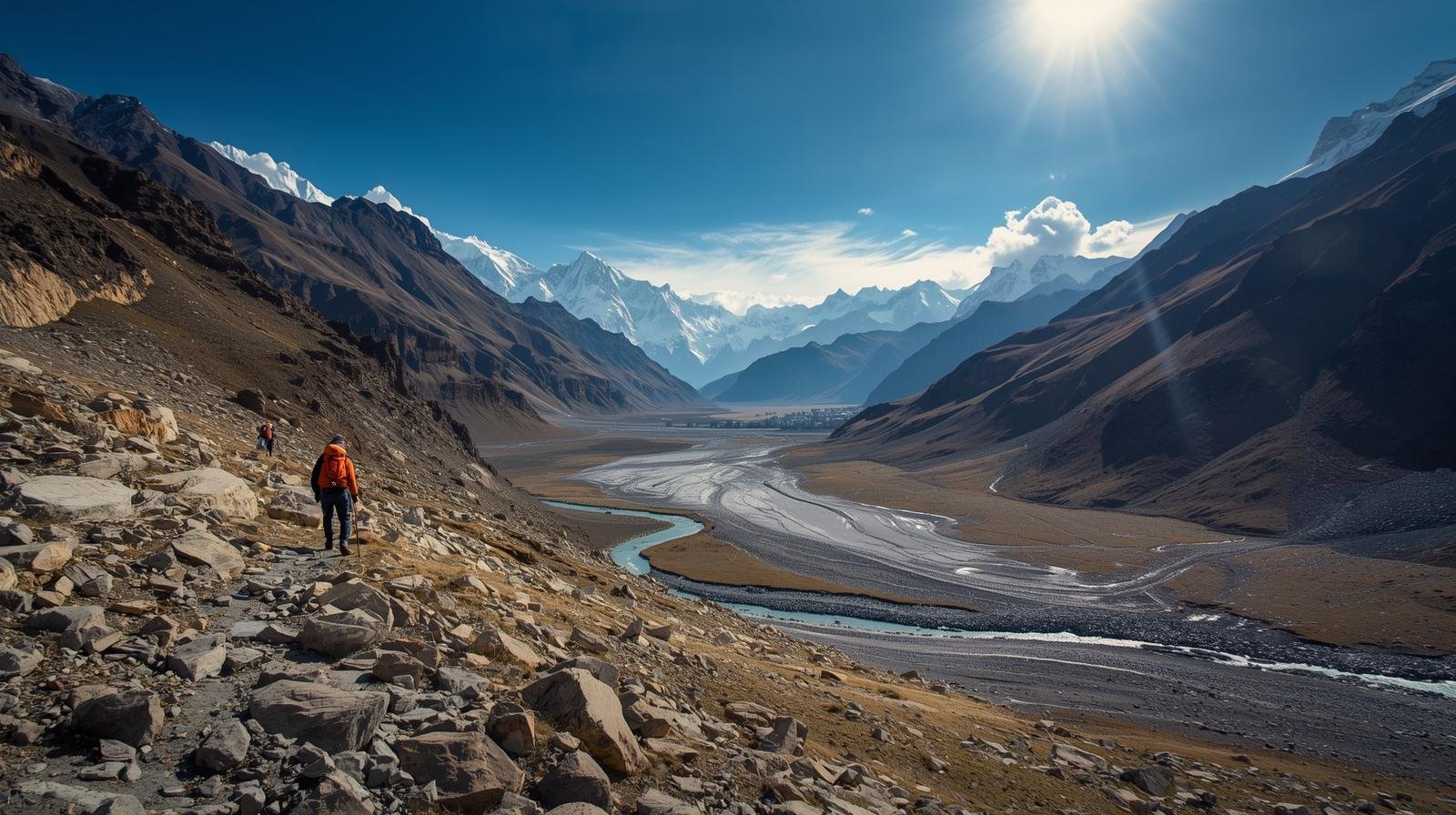
The Gaumukh Tapovan Trek is not only a pilgrimage for nature lovers and spiritual seekers but also a challenging adventure for experienced trekkers. The trail passes through dense forests, rocky trails, and glacial moraines, offering breathtaking views of snow-clad peaks and glacial rivers. Trekkers often witness pristine landscapes, icefalls, and rugged terrains, making this trek a true Himalayan experience. With elevations ranging from 3,000 m at Gangotri to 4,500 m at Tapovan, proper acclimatization is essential.

Trek to the sacred Gaumukh Glacier, the origin of the Bhagirathi River.
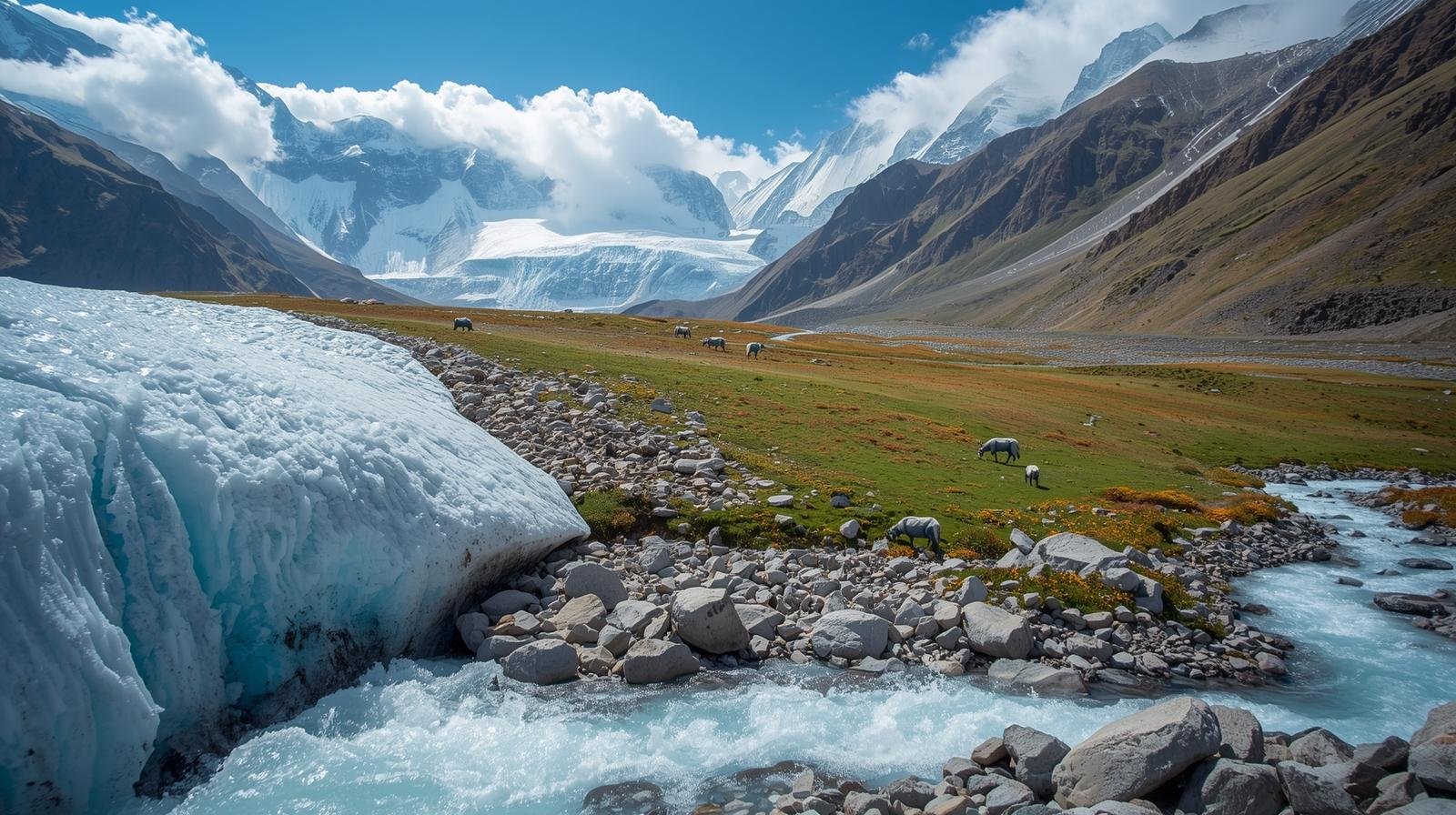
Explore the vast alpine meadows of Tapovan, surrounded by towering Himalayan peaks.
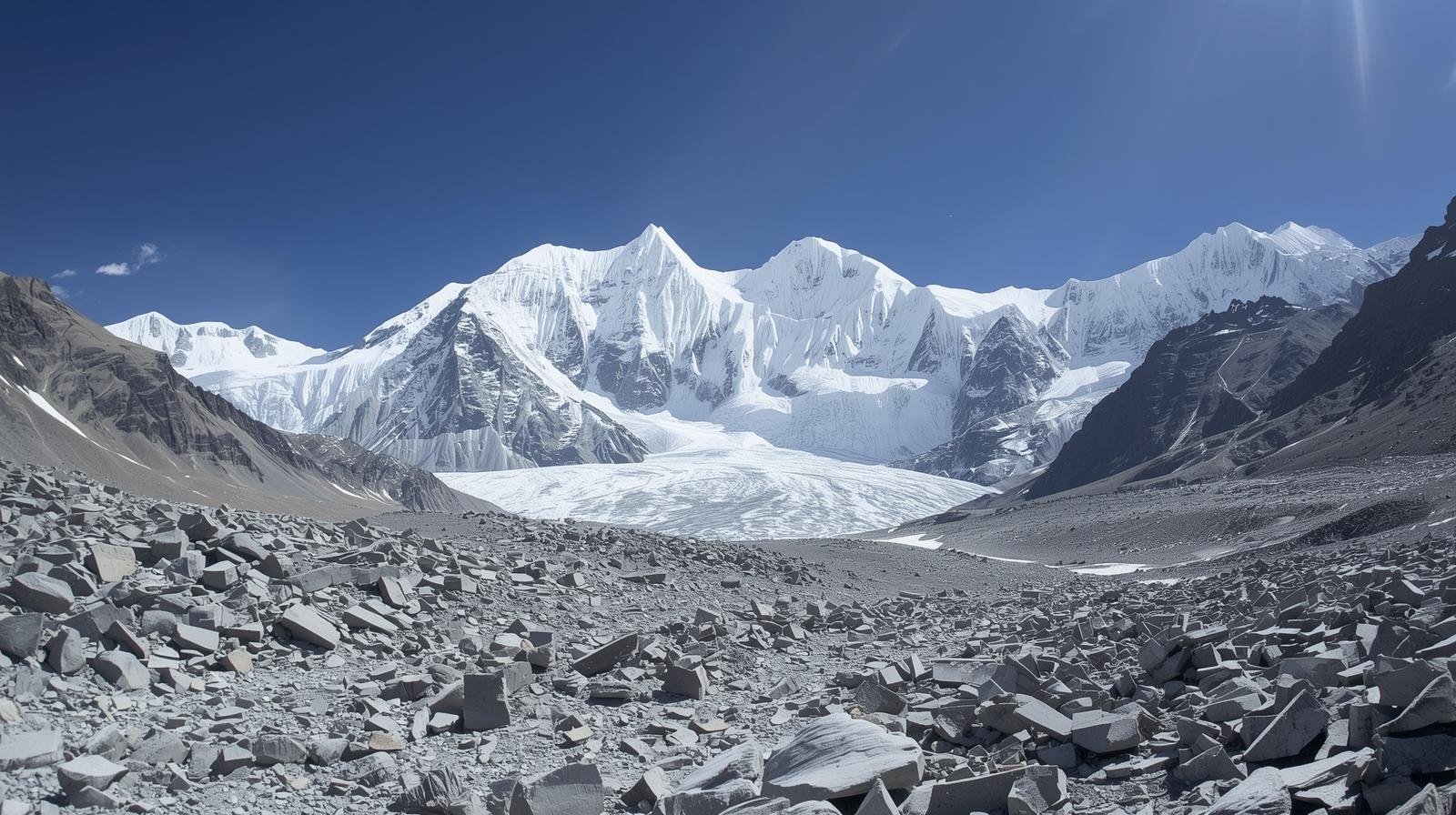
Witness spectacular views of Thalay Sagar, Shivling, and Bhagirathi Parvat.
Experience high-altitude trekking at 3,000-4,500 meters above sea level.
Camping under the stars amid pristine wilderness.
Opportunity to observe unique Himalayan flora and fauna.
The ideal season for the Gaumukh Tapovan Trek is May to June and September to October, when the weather is stable, skies are clear, and trails are free of snow. During these months, trekkers can enjoy panoramic views and pleasant temperatures while avoiding the heavy monsoon rains that make the trail slippery and risky.
The Gaumukh Tapovan Trek is classified as moderate to difficult due to high-altitude terrain, rocky trails, and steep ascents. Trekkers should be physically fit, with prior experience in multi-day trekking preferred. Essential gear includes sturdy trekking boots, warm clothing, rain protection, trekking poles, and personal medical kits. Proper acclimatization is necessary to prevent altitude sickness, especially for the Tapovan campsite at 4,500 m.
The Gaumukh Tapovan Trek is a perfect blend of adventure, spirituality, and natural beauty, offering an unforgettable journey into the heart of the Garhwal Himalayas. From sacred glaciers to vast alpine meadows and towering peaks, this trek promises a once-in-a-lifetime experience for both nature lovers and seasoned trekkers.
The Gaumukh Tapovan Trek is a high-altitude, physically demanding trek. Proper preparation is key for a safe and enjoyable experience:
Cardio Training: Build endurance with running, cycling, swimming, or brisk walking. Gradually increase intensity.
Strength Training: Focus on legs and core with squats, lunges, step-ups, and planks; upper body exercises help carry your backpack.
Flexibility: Practice yoga, stretching, and mobility exercises to prevent injuries and maintain posture.
Altitude Acclimatization: Spend time at higher altitudes before the trek; consider medication for altitude sickness if necessary.
Mental Preparation: Build mental toughness through goal-setting, visualization, and staying positive.
Nutrition & Hydration: Eat a balanced diet rich in protein, carbs, and healthy fats, and stay hydrated.
Always consult a doctor before starting new exercises, especially if you have medical conditions, and enjoy the trek safely!
“Let’s preserve the pristine beauty of the Himalayas by minimizing plastic use and leaving no trace behind in this sacred landscape.”

Drive: 240 km | 8–9 hrs
Altitude: 640 m (2,100 ft) → 3,048 m (10,000 ft)
Stay: Guest House / Hotel | Meals: Dinner
Drive from Dehradun to Gangotri, the sacred starting point of the Ganges. Arrive by evening, explore Gangotri Temple, acclimatize to high altitude, and relax while meeting fellow trekkers.
Trek: 9 km | 4–5 hrs
Altitude: 3,048 m (10,000 ft) → 3,600 m (11,811 ft)
Stay: Camping (Alpine Tents) | Meals: B/L/S/D
Trek from Gangotri to Chirbasa along the Bhagirathi River through pine and deodar forests. Enjoy mountain views, the sound of the river, and spend the evening acclimatizing at Chirbasa campsite.
Trek: 5 km | 3 hrs
Altitude: 3,600 m (11,811 ft) → 3,800 m (12,467 ft)
Stay: Camping (Alpine Tents) | Meals: B/L/S/D
Trek from Chirbasa to Bhojbasa with a steep ascent along the Bhagirathi River. Set up camp at the foot of the Gangotri Glacier, enjoying panoramic views of Bhagirathi peaks and serene sunrise/sunset scenery.
Trek: 6 km | 7 hrs
Altitude: 3,800 m → 3,900 m → 4,335 m
Stay: Camping (Alpine Tents) | Meals: B/L/S/D
Trek from Bhojbasa to Gaumukh, the source of the Ganges, crossing rocky trails and the Gangotri Glacier. After visiting Gaumukh, continue to Tapovan for a steep climb, set up camp, and enjoy majestic views of Meru and Bhagirathi peaks, the base for Shivling exploration.
Trek: None
Altitude: 4,335 m (14,222 ft)
Stay: Camping (Alpine Tents) | Meals: B/L/S/D
Enjoy a rest day at Tapovan, witnessing a spectacular sunrise over Shivling, Bhagirathi, and Meru peaks. Spend the day exploring, meditating, or soaking in the spiritual and natural beauty of the surroundings.
Trek: 11 km | 6 hrs
Altitude: 4,335 m → 3,600 m
Stay: Camping (Alpine Tents) | Meals: B/L/S/D
Descend from Tapovan to Chirbasa, covering 11 km downhill. Enjoy a packed lunch en route and camp under the starry skies at Chirbasa in the late afternoon.
Trek: 9 km | 5–6 hrs
Altitude: 3,600 m → 3,048 m
Stay: Guest House / Camping | Meals: B/L/S/D
Retrace the trail along the Bhagirathi River from Chirbasa to Gangotri. Check into your hotel or campsite, enjoy a hot shower, and rest after completing the trek.
Drive: 240 km | 8–9 hrs
Altitude: 3,048 m → 640 m
Meals: Breakfast
After breakfast, drive back to Dehradun, stopping at Gangnani Sulphur Springs for a quick dip. Arrive in Dehradun by evening, marking the end of your trek.
It is located in Uttarakhand, in the Garhwal Himalayas, starting from Gangotri and ending at Tapovan.
The best season is May–June and September–October, when the weather is clear and trails are accessible.
The trek covers approximately 45–50 km round trip, usually completed in 7–8 days including travel from Dehradun/Haridwar.
Tapovan is located at about 4,500 meters (14,764 ft), and Gaumukh Glacier is around 4,000 meters (13,123 ft).
It is moderate to difficult, suitable for trekkers with basic fitness. The high-altitude and steep sections require proper acclimatization.
By Air: Nearest airport is Jolly Grant Airport, Dehradun
By Rail: Nearest station is Haridwar
By Road: Private taxis or buses can take you to Gangotri via Rishikesh and Uttarkashi.
Yes, trekking in the Gangotri National Park area requires permits, which can be obtained locally at Gangotri.
Accommodation is generally in guesthouses, campsites, or basic lodges at Gangotri and Bhojbasa. Tapovan requires camping.
Most trekking packages provide vegetarian meals, including breakfast, packed lunch, and dinner. Some allow special dietary options if requested in advance.
Yes, with good physical fitness and proper acclimatization, beginner trekkers can attempt Gaumukh Tapovan Trek.
The trek passes through forests, rocky trails, glacial moraines, and alpine meadows, with sections of steep climbs near Tapovan.
Yes, essential gear includes trekking shoes, warm clothing, rain gear, trekking poles, gloves, and a backpack.
Yes, Gaumukh is the main highlight of the trek, where the Bhagirathi River originates. It is accessible via a moderate climb from Bhojbasa.
Yes, with proper guidance and camping equipment. The weather can be cold, so warm sleeping bags and tents are essential.
Wildlife includes Himalayan monals, musk deer, snow leopards (rarely), and various alpine birds.
Daily trekking ranges from 6–12 km with moderate to steep ascents. Proper stamina and basic trekking experience are recommended.
Monsoon trekking is not recommended due to slippery trails, landslides, and harsh weather conditions.
Costs vary depending on inclusions but generally range from ₹50000–₹55,000 per person, including meals, accommodation, and guide services.
Yes, trekkers are encouraged to carry reusable lunch boxes, avoid plastics, and follow Leave No Trace principles to preserve the pristine Himalayan environment.

Member Since 2025