9 Days
Specific Tour
Unlimited
___
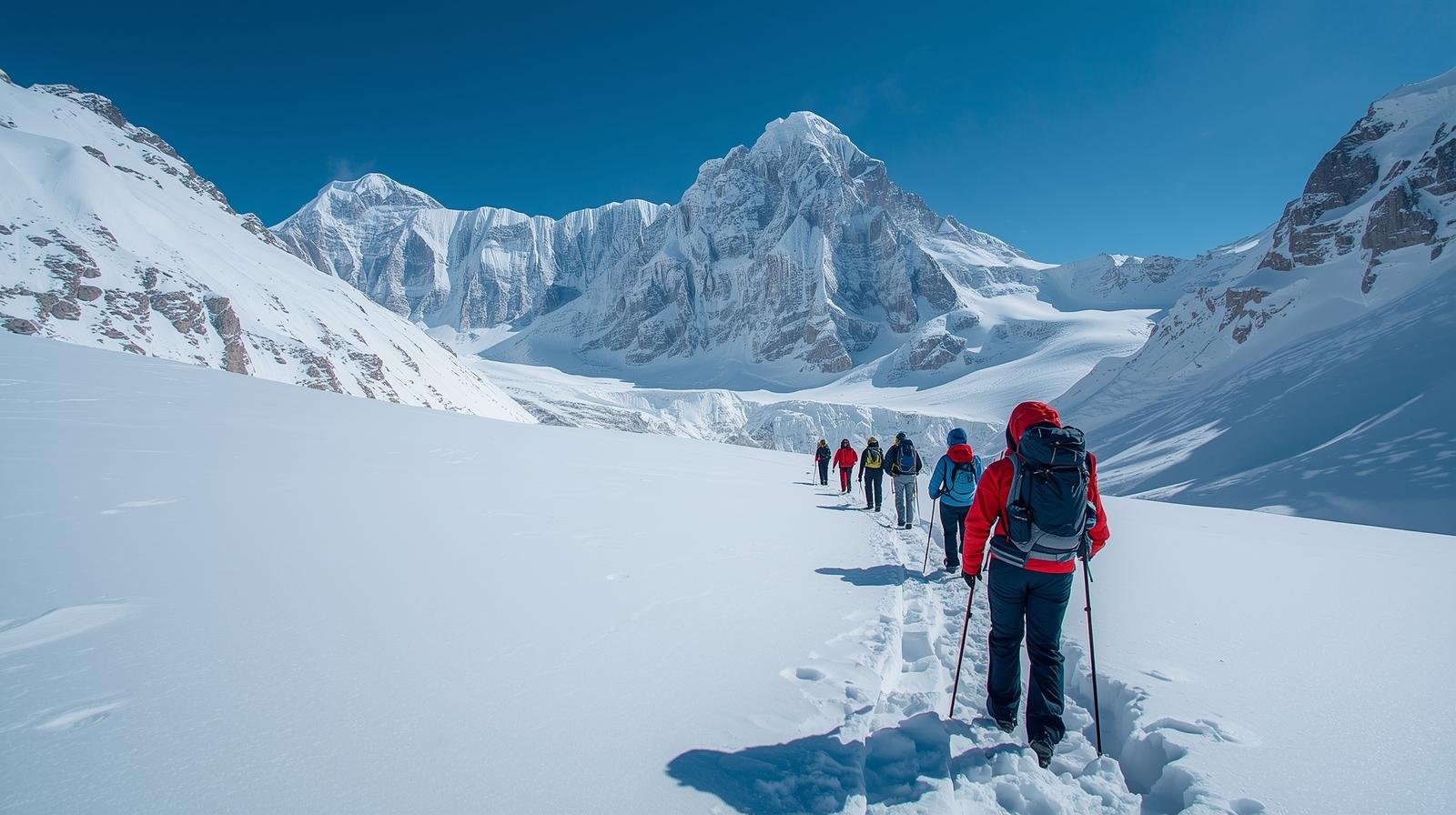
The Bali Pass Trek is one of the most adventurous and offbeat high-altitude treks in the Indian Himalayas. Situated in the Garhwal region of Uttarakhand, this trek connects the sacred Har Ki Dun Valley with the Yamunotri Valley ( Both a Part of Rawain Valley ) and offers trekkers a blend of raw wilderness, snow-covered landscapes, and rich Himalayan culture.
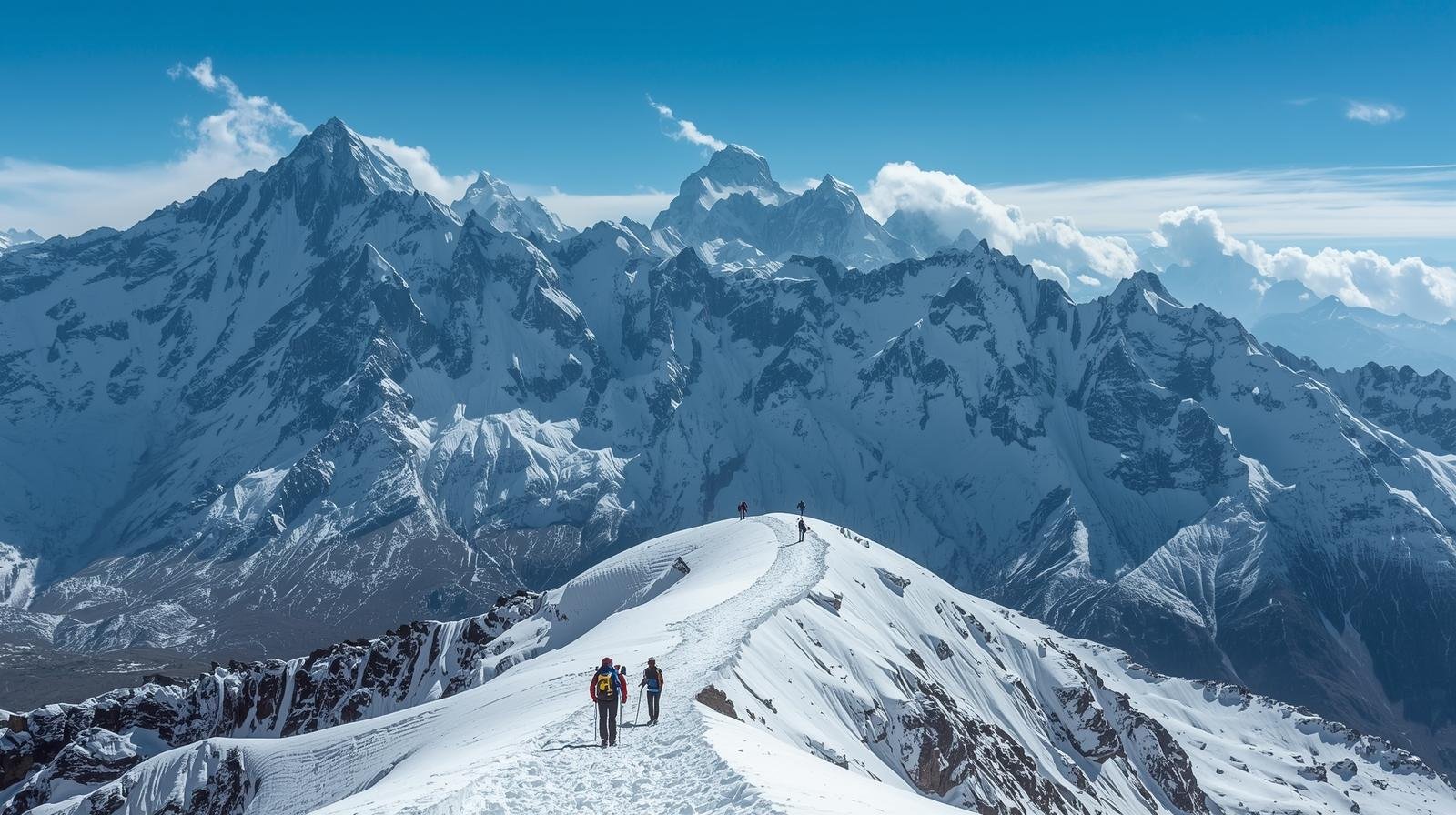
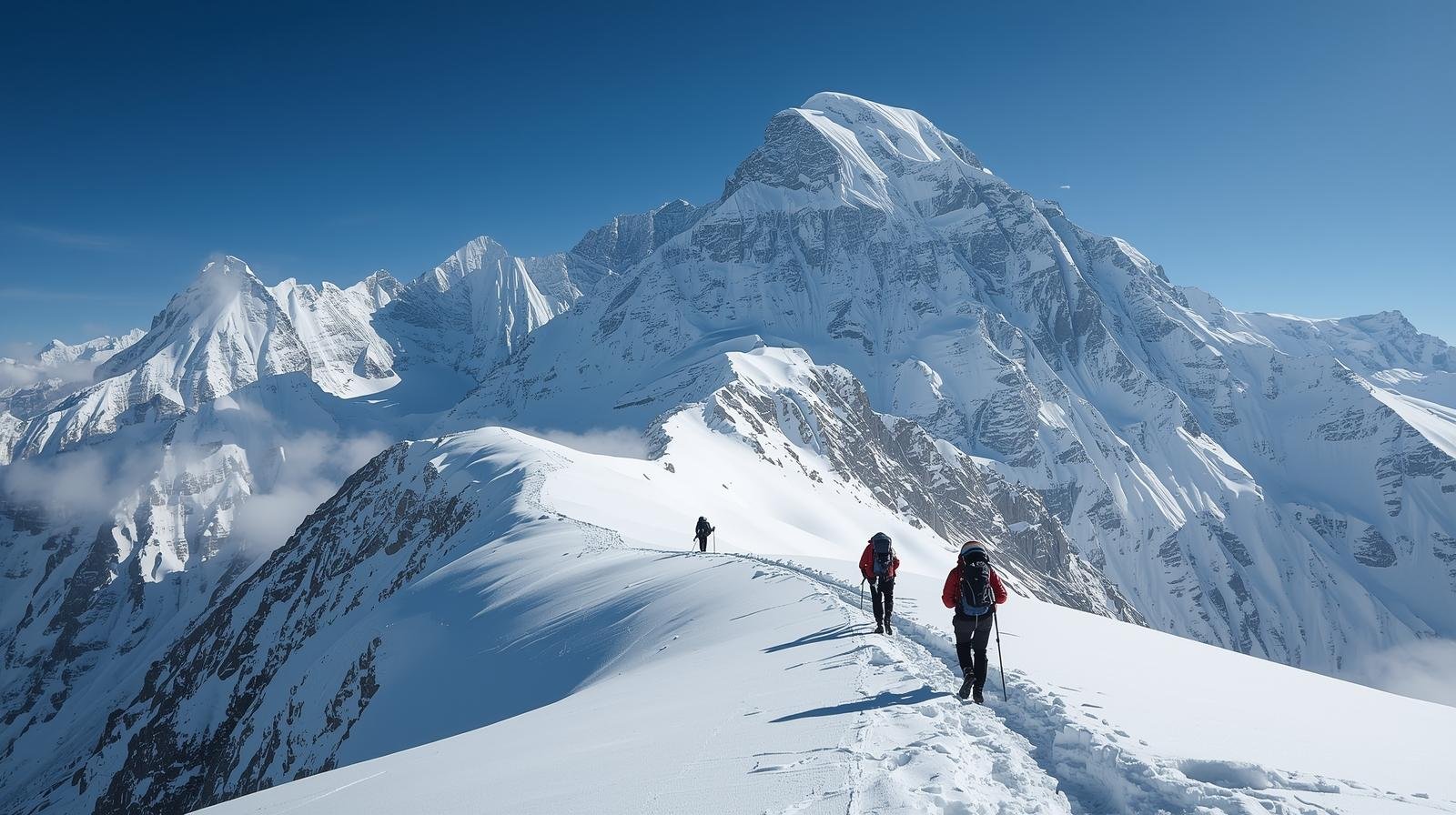
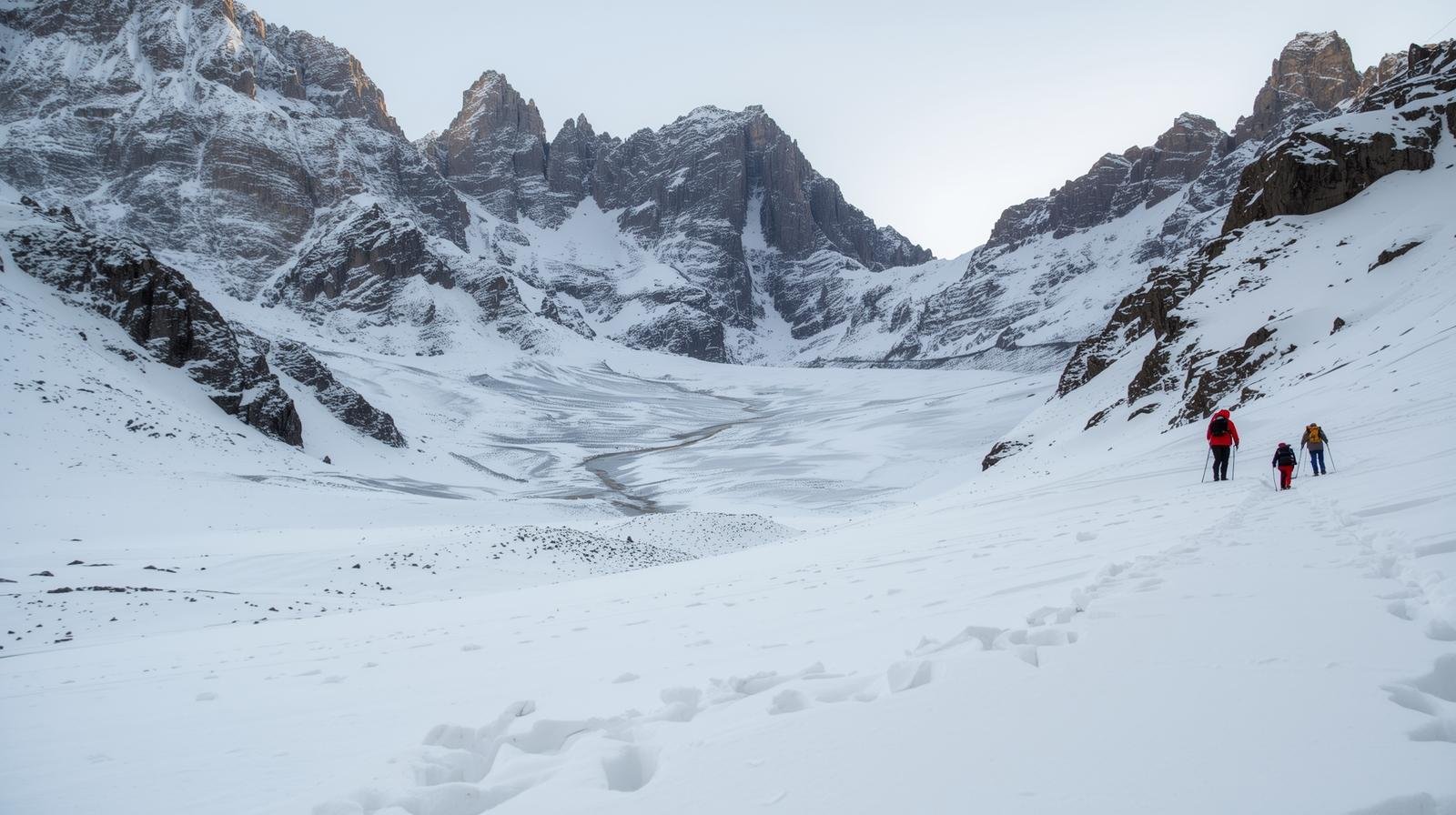
At an altitude of 16,207 ft (4,940 m), Bali Pass is not just another Himalayan trail—it is a test of endurance, skill, and determination. With steep ascents, narrow ridges, and breathtaking views of snow-capped peaks like Swargarohini, Bandarpoonch, and Black Peak (Kalanag), this trek is an absolute bucket-list experience for seasoned trekkers.
The Himalayas are full of legendary treks, but Bali Pass stands apart because of its remote location and challenging route. Unlike popular treks such as Kedarkantha or Har Ki Dun, Bali Pass is less commercialized, making it ideal for trekkers seeking solitude and raw adventure.
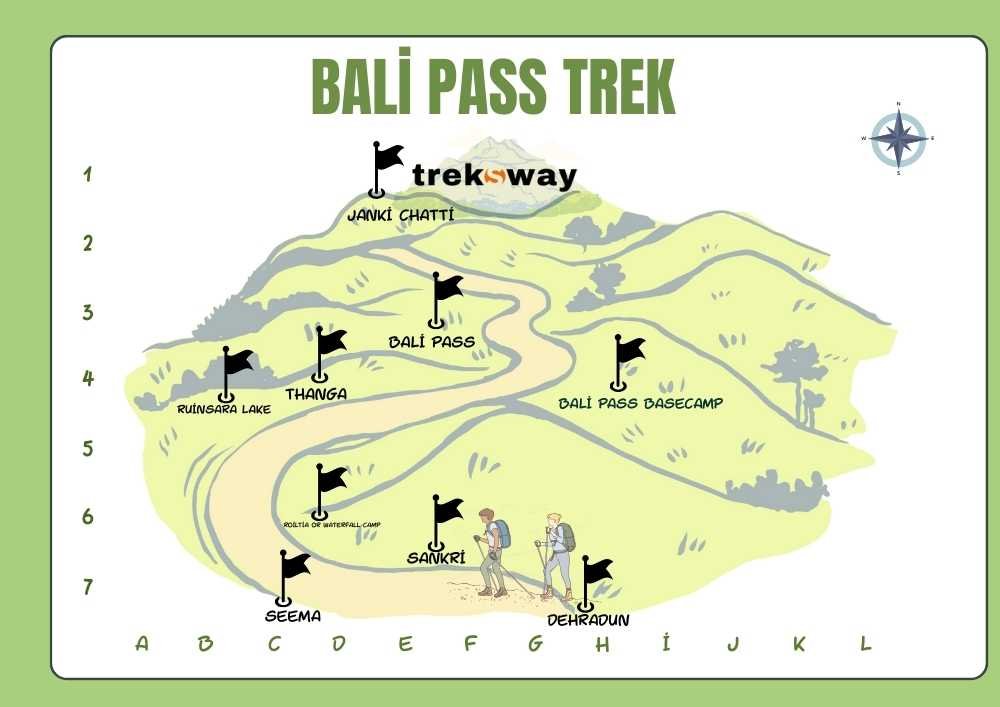
The trek begins in the picturesque village of Sankri, winds through lush forests, alpine meadows, and ancient villages, and finally leads to the sacred Yamunotri Temple, one of the Char Dham pilgrimage sites.

Region: Garhwal Himalayas, Uttarkashi district, Uttarakhand
Altitude: 16,207 ft (4,940 m)
Trek Duration: 7–9 days
Trek Distance: Approx. 64 km
Difficulty Level: Difficult
Best Season: Mid-May to June & September to October
Base Camp: Sankri village
Clear skies, vibrant meadows, and moderate snow at higher altitudes.
Ideal for trekkers who want to enjoy greenery and blooming flowers.
Crisp weather with stunning mountain visibility.
Snow may start accumulating at higher altitudes.
Best for experienced trekkers seeking raw beauty and solitude.
⚠️ Avoid July & August due to heavy monsoon, landslides, and slippery trails.
⚠️ Avoid winter (Nov – April) as the region gets heavy snow and the pass becomes inaccessible.
The Bali Pass Trek is graded as Difficult. It requires prior trekking experience and good physical fitness. Here’s why:
High Altitude: At 16,207 ft, acclimatization is crucial.
Steep Gradients: Several sections involve steep climbs and descents.
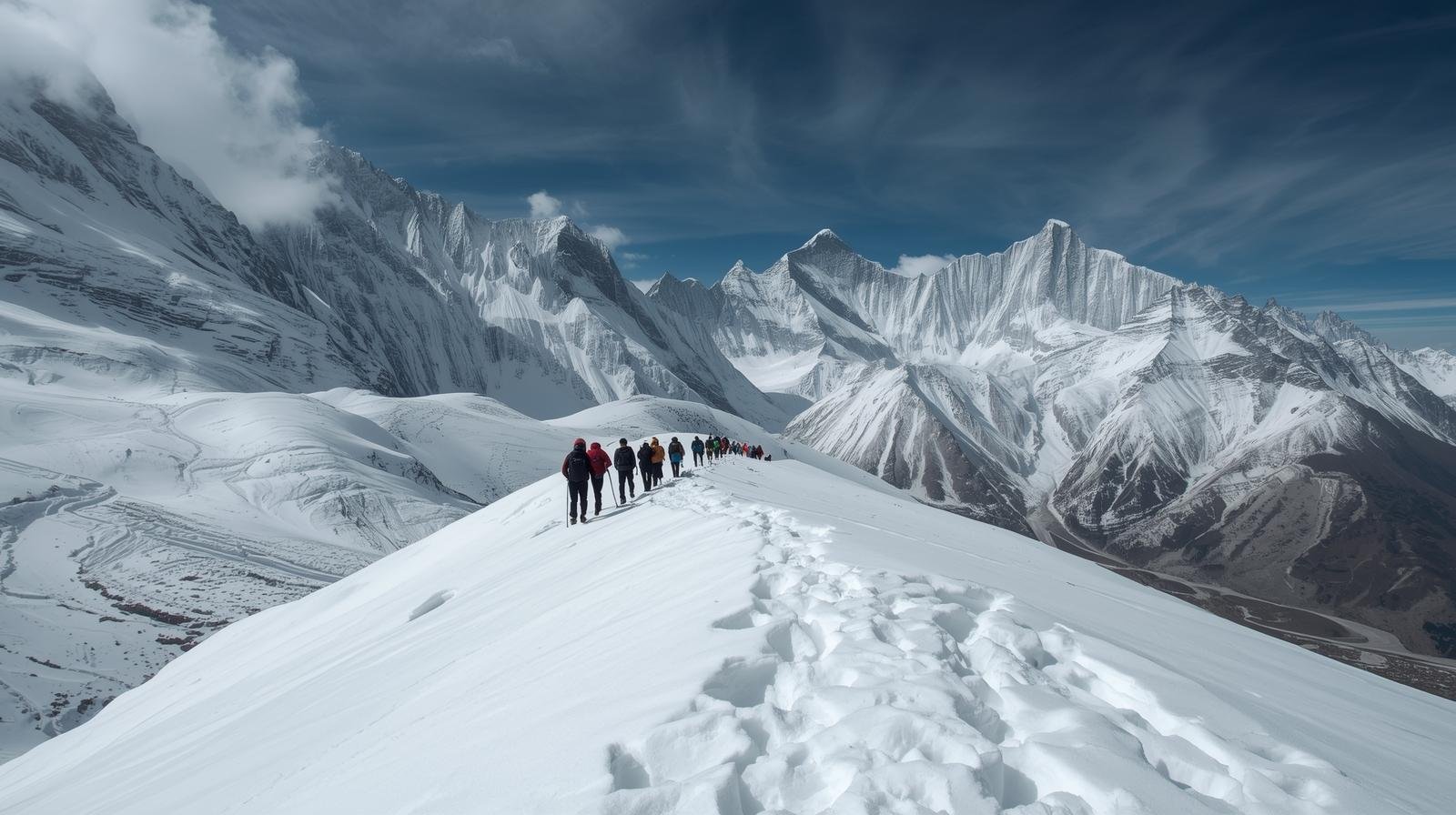
Narrow Ridges: The final approach to Bali Pass is through a knife-edge ridge, testing both skill and courage.
Weather: The Himalayas are unpredictable, and conditions can change rapidly.
Recommended for trekkers who have completed at least one or two moderate to difficult high-altitude treks.
The Bali Pass Trek is rich in biodiversity.
Forests: Pine, deodar, rhododendron, and oak.
Wildlife: Himalayan monal, musk deer, langurs, and even black bears.
Flora: Alpine flowers in summer, including Brahma Kamal at higher altitudes.
Clothing: Thermal layers, fleece, down jacket, waterproof jacket, trekking pants, gloves, woolen cap.
Gear: Trekking shoes, gaiters, trekking poles, sunglasses, headlamp, water bottles.
Other Essentials: Sunscreen, lip balm, first aid kit, power bank, toiletries.
Acclimatize properly—don’t rush.
Carry Diamox (if prescribed) for AMS (Acute Mountain Sickness).
Train with cardio, strength, and endurance exercises at least 6 weeks before.
Always trek with a certified guide or trekking organization.
For adventure seekers, it’s one of the most thrilling high-altitude Himalayan treks.
For nature lovers, the changing landscapes from forests to glaciers are breathtaking.
For spiritual souls, ending the journey at Yamunotri makes it deeply rewarding.
For photographers, every campsite offers postcard-perfect scenery.

Altitude: 1,920 m
Distance: 190 km | Duration: 8 hrs
Scenic drive through Mussoorie, Purola, and Mori alongside the Yamuna and Tons Rivers.
Overnight stay at a guesthouse in Sankri village, the starting point of the trek.
Sankri Altitude: 1,920 m
Taluka Altitude: 2,050 m
Seema Altitude: 2,560 m
Drive: 1 hr | Trek: 14 km | Duration: 5–6 hrs
Drive to Taluka and start trekking along the Supin River through pine and deodar forests.
Cross wooden bridges, small streams, and reach Seema village near Osla.
Overnight in tents.
Altitude: 3,350 m
Trek Distance: 13 km | Duration: 6 hrs
Steady climb through lush meadows and thick forests.
Camp at Roiltia/Waterfall camp, with stunning views of snow-clad peaks.
Altitude: 3,600 m
Trek Distance: 4 km | Duration: 2 hrs
A short trek to the beautiful alpine Ruinsara Lake, surrounded by glaciers and high peaks.
Relax and soak in the serene environment.
Altitude: 3,600–3,700 m
Trek Distance: 3 km (optional) | Duration: 1.5 hrs
Either spend the day acclimatizing and exploring Ruinsara Tal, or trek to Thanga campsite for better acclimatization.
Altitude: 4,600 m
Trek Distance: 8 km | Duration: 7 hrs
Trek through boulder zones and snow patches to reach Bali Pass Base Camp.
Magnificent views of Swargarohini, Bandarpoonch, and Kalanag Peaks.
Base Camp Altitude: 4,600 m
Bali Pass Altitude: 4,900 m
Lower Dhamni Altitude: 3,200 m
Trek Distance: 12 km | Duration: 9 hrs
Early morning steep ascent to Bali Pass (the highest point of the trek).
Cross narrow ridges and snow slopes before descending carefully to Lower Dhamni.
This is the toughest and longest day of the trek.
Altitude: 2,400 m
Trek Distance: 12 km | Duration: 6 hrs
Gradual descent through forests leading to Yamunotri Temple, one of the Char Dham shrines.
After darshan, a short trek/drive to Janki Chatti for an overnight stay.
Distance: 190 km | Duration: 8 hrs
Scenic drive back via Barkot and Mussoorie.
Reach Dehradun by evening – trek ends.
The Bali Pass Trek is in the Garhwal Himalayas of Uttarkashi district, Uttarakhand. It connects the Har Ki Dun Valley with the Yamunotri Valley, making it a rare blend of adventure and spirituality.
The trek reaches its highest point at the Bali Pass summit – 4,900 m (16,207 ft). From here, trekkers are rewarded with stunning views of Swargarohini, Bandarpoonch, Black Peak (Kalanag), and Yamunotri range.
This is graded as a difficult trek, recommended only for trekkers with prior high-altitude trekking experience. The challenges include:
Steep ascents and descents
Narrow ridges with exposure
Long trekking days (7–9 hours on some days)
High altitude (above 4,500 m) with risk of AMS
If you have completed moderate treks like Kedarkantha, Rupin Pass, or Buran Ghati, you’ll be better prepared.
The trek is best attempted in two seasons:
Summer (Mid-May to June): Snow patches, blooming meadows, clear skies.
Post-Monsoon (September to mid-October): Crisp weather, best mountain views, light snow at higher altitudes.
⚠️ The trek is not possible in monsoon (July–August) due to heavy rains and landslides, and closed in winter (November–April) because of heavy snowfall.
The Bali Pass Trek takes 9 days (Dehradun to Dehradun). This includes:
Drive to Sankri (base village)
6–7 trekking days
Buffer/rest day
Return to Dehradun
The total trekking distance is about 60–64 km, covered over 6–7 days of trekking.
The trek starts from Sankri village (1,920 m), a small Himalayan hamlet in Uttarkashi district. Sankri is around 190 km from Dehradun and takes about 8 hours by road.
At Sankri (Base Camp): Local homestay or guesthouse for one night.
On the trek: Twin-sharing tents (2-person capacity), designed for high-altitude conditions. Sleeping bags and mattresses are provided.
Breakfast, packed lunch (on trekking days), evening snacks, and dinner.
Nutritious vegetarian food with eggs is served.
Jain and Vegan options can be arranged with prior notice.
Separate kitchen and dining tents are set up during the trek.
We provide:
High-quality tents & sleeping bags (all-weather rated)
Foam mattresses
Safety equipment: microspikes, gaiters, helmets, ice axe
Medical kit with oxygen cylinders
Essential items include:
Trekking shoes, backpack (50–60 L), trekking poles
Warm clothing (thermals, fleece, down jacket, gloves, caps)
Waterproof jacket & pants
Headlamp, sunglasses, personal toiletries
Personal medicines & water bottles
Safety is our top priority. The trek is led by an experienced, certified trek leader along with local guides and support staff. We carry oxygen cylinders and a full medical kit. Campsites are strategically chosen for safety, and acclimatization days are built into the itinerary.
Since Bali Pass is a high-altitude trek (above 4,500 m), there is always a risk of Acute Mountain Sickness (AMS). To minimize this risk:
Acclimatize properly
Hydrate well
Ascend gradually
Follow the trek leader’s instructions
If symptoms worsen, trekkers may be evacuated immediately.
This trek is not recommended for beginners. It requires good fitness levels and prior trekking experience. Beginners should first try moderate treks like Kedarkantha, Dayara Bugyal, or Har Ki Dun, and then attempt Bali Pass.
Mobile Network: Limited to Sankri and nearby villages. No network beyond that.
Electricity: Available at Sankri. During the trek, campsites are off-grid. Carry a power bank or solar charger.
Pickup on Day 1 from Dehradun to Sankri.
Shared non-AC vehicles like Bolero, Innova, Dzire, or Tempo Traveler.
Transport cost from pickup point to Sankri is shared separately among trekkers.
We encourage trekkers to carry their own backpacks. However, if needed:
Offloading is available at INR 500 per bag per day (up to 12 kg).
Book in advance to avoid last-minute issues.
Trek insurance is mandatory but charged separately. It provides coverage for trekking-related risks, which are usually not included in regular medical insurance.
A buffer day is kept aside for weather-related delays. If used, trekkers will need to contribute an additional cost directly to the trek leader.
Preparation is key. Focus on:
Cardio fitness: Running, cycling, swimming (be able to run 5 km in 30 minutes).
Strength training: Squats, lunges, core exercises.
Endurance: Practice carrying a backpack on hikes.
Start training at least 6–8 weeks before the trek.

Member Since 2025